
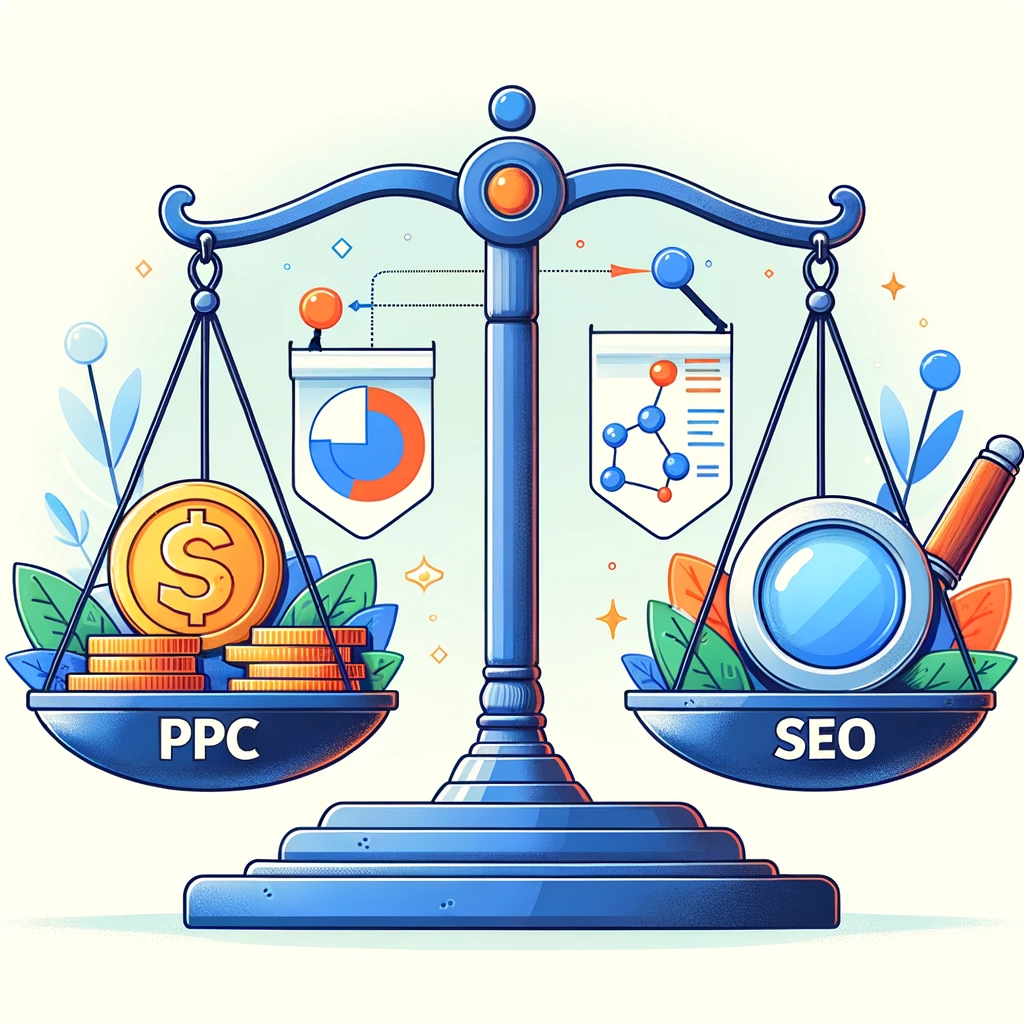
In the realm of digital marketing, Pay-Per-Click (PPC) and Search Engine Optimization (SEO) are two dominant strategies that businesses employ to drive traffic, increase visibility, and promote conversions. While each has its unique attributes and advantages, understanding their interplay can be pivotal for a holistic and effective online strategy. Let’s explore how PPC and SEO interact on Google and how businesses can benefit from this synergy.
Understanding PPC and SEO
- PPC (Pay-Per-Click): This is a form of online advertising where businesses pay a fee each time their ad is clicked. On Google, these ads appear above or below organic search results and are labeled as ‘Ad’.
- SEO (Search Engine Optimization): This is the practice of optimizing website content to rank higher in organic (non-paid) search engine results. It’s a long-term strategy aimed at improving site visibility, credibility, and user experience.
How They Interact
- Immediate vs. Long-Term Visibility: While SEO takes time to show results, PPC offers instant visibility. A combination ensures immediate presence (via PPC) while building long-term organic credibility (via SEO).
- Keyword Insights: PPC campaigns provide instant feedback on which keywords drive traffic and conversions. These insights can be invaluable for refining an SEO strategy.
- Dominating Search Results: By combining SEO and PPC efforts, brands can appear both in organic results and advertisements, increasing the chances of user clicks.
- Testing with PPC for SEO Strategy: Before committing to a long-term SEO strategy around specific keywords or content types, PPC can be used as a testing ground. The immediate feedback from PPC can help refine organic search strategies.
- Improved User Experience: Combining insights from both PPC and SEO can lead to a better understanding of user needs, helping improve website content, layout, and navigation, thereby enhancing user experience.
- Visibility During Algorithm Changes: Search algorithms change, and organic rankings can fluctuate. PPC provides a buffer during these times, ensuring continued visibility.
Leveraging the Synergy
- Unified Keyword Strategy: Use data from both PPC and SEO campaigns to build a comprehensive keyword strategy, ensuring alignment in paid and organic efforts.
- Consistent Messaging: Ensure that ad copies (PPC) and meta descriptions or titles (SEO) convey a consistent message, enhancing brand credibility.
- Budget Allocation: Based on results, businesses can decide where to invest more. If organic rankings are strong for specific keywords, the PPC budget for those can be reallocated to other efforts.
- Adapt and Optimize: Use PPC data to inform content creation and vice versa. For instance, if a particular blog post (SEO effort) drives significant traffic, consider promoting it with a targeted PPC campaign.
FAQs About PPC and SEO
What is the difference between PPC and SEO?
SEO focuses on improving your website’s organic rankings through content, technical optimisation, and backlinks, delivering long-term results that compound over time. PPC is paid advertising where you bid on keywords and pay each time someone clicks your ad, delivering immediate visibility. Both serve different purposes but work best when used together.
Can PPC and SEO work together effectively?
Yes. Running PPC and SEO in parallel is one of the most effective digital marketing strategies available. PPC delivers instant traffic and leads while your SEO builds momentum. Over time, as organic rankings strengthen, you can reduce ad spend or reallocate budget to new keyword opportunities. The data from PPC campaigns also helps refine your SEO targeting.
Should I invest in PPC or SEO first?
It depends on your timeline and goals. If you need leads immediately, PPC is the faster route. If you are focused on sustainable, long-term growth and reducing your cost per lead over time, SEO is the priority. Most businesses benefit from starting both simultaneously, using PPC for quick wins while SEO compounds in the background.
How does PPC data improve SEO performance?
PPC campaigns generate real-time keyword data showing which search terms drive clicks, conversions, and revenue. This data can be used to inform your organic content strategy, helping you target proven keywords rather than relying on guesswork. High-performing PPC ad copy can also guide improvements to meta descriptions and on-page content.